

Selecting an Over Island Extractor Fan
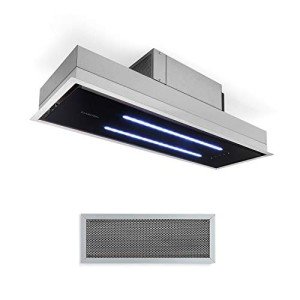
As we continue to welcome open-plan living, kitchen island extractor fan s have ended up being a crucial design feature in many homes. island cooker extractor eliminate wetness, odours, heat and smoke - keeping big open cooking areas clean and smelling fresh.
They work by pulling air up into a vent package, which is either pushed outside through an external wall or cleansed by charcoal filters before being forced back into the kitchen. Flush fitting extractor hoods are a more trendy alternative as they sit flush to the ceiling.
Downdraft extractors
One of the most popular designs with our clients, downdraft extractors are constructed into your kitchen counter top negating the need for overhead cooker hoods. They operate in the very same way as an island extractor, drawing steam, smells and smoke downwards into a duct which then filters and vents them outside, however they are designed to be undetectable when not in usage.
They sit flush with the countertop, just increasing when activated to draw away steam, smells and smoke at source, before tucking neatly back beneath for a clean, trendy finish. They're fantastic for modern kitchen styles where the extractor hood would otherwise detract from the sleek style of your countertops and cabinets.
For our full range of downdraft cooker hoods, click on this link.
These clever ventilation systems come in a range of styles from wall-mounted to traditional island hoods, as well as downdraft ventilation hidden inside kitchen systems. All deal powerful extraction rates and a discreet look which mixes in with your style visual. They can likewise be recirculated for the environmentally conscious.
Unlike traditional extractor hoods which are typically positioned above your hob for ease of installation, these models are built into your kitchen counter top, suggesting they can be set up anywhere within a safe distance of the back of your stove. This is perfect for those who don't wish to sacrifice space on the back of their countertops or for those with greater ceilings where an overhead extraction fan may not be useful.
They can be vented to the outdoors or recirculated, although venting to the outside requires an additional package of pipelines which can include to your total develop expenses. You will likewise need an area in your cabinets or void under the countertop for the unit and motor to fit, which could reduce storage capacity or develop custom-made cabinets solutions.
A pop-up extractor hood can be used in new builds or restorations, where there's enough space for a 5inch drain pipeline to be ranged from an external wall and to the hood. They are a good choice for open-plan cooking areas and dining areas where you want to keep your style as uncluttered as possible while still keeping a sanitary cooking location.
Ceiling extractors
If you're trying to find a streamlined, efficient method to keep your kitchen and other spaces well-ventilated without compromising on space or design, a ceiling extractor fan is the ideal service. These designs are designed to sit flush with the ceiling above a built-in hob and usually feature push-button control functionality in addition to dimmable lighting for added convenience. They're likewise offered in a variety of styles and colours to suit your decoration, along with models with sophisticated functions like run-on timers to help you conserve energy.
There are two primary types of ceiling extractor fans: ducted and recirculating. Ducted designs are vented to the outside through the gaps in your ceiling joists and can be incredibly effective at pulling steam, cooking smells and grease far from your kitchen, leaving the air tidy and fresh. Nevertheless, they're not a good option for homes with low ceilings or if you're preparing to set up a chimney cooker hood above your island.
A recirculating ceiling extractor works differently as it does not have a vent at the back and instead utilizes filters to cleanse the air before recirculating it into your home. These designs are more versatile and can be utilized throughout your home, however they might not be as powerful as a ducted extractor.
The Novy EV90BL ceiling extractor hood has a stylish style and a flush fitting finish to seamlessly mix into your ceiling for a smooth, unbroken kitchen look. It's likewise packed with beneficial features to make your life simpler, consisting of LED strip lighting that can be managed through the extractor hood, InTouch on your suitable hob or the Novy app.
An island chimney cooker hood is another popular option for extractor fans, as it offers the finest efficiency and a stunning design to match your island hob. These designs have a flue at the back that absorbs cooking odours, steam and grease before pushing them out of your home through an external wall or venting them into the environment. They're not the most efficient option if you plan to keep your kitchen and dining-room open-plan, however they can create an appealing break between the spaces.
Non-vented extractors
When choosing an extractor for your kitchen there are a variety of different alternatives readily available. Whether you want something trendy and attractive or more streamlined, you're able to select from a range of designs that suit any kitchen style or decoration. These include island extractor fans and ceiling extractors, permitting you to aerate your kitchen without jeopardizing on style or visual.
The ventilation system you select will depend upon the type of hob and kitchen layout that you have. Island extractors hang straight from the ceiling above your hob, providing an attractive and functional focal point in any kitchen. They eliminate moisture, odours, smoke and heat by pulling particulates from the air in your kitchen.
They are a fantastic option if you have an open-plan kitchen and dining area, as they function as a break between the 2 spaces whilst still using lots of area for cooking and cleaning. Nevertheless, they are not appropriate for all kitchen areas and it's best to check that the area can accommodate the fan before installing one.
A flush fitting extractor hood is ideal for those who don't wish to have the ducting on show and it's a fantastic alternative to a traditional wall-mounted cooker hood. They work by pulling air upwards and it's either pressed through a vent set to the nearby external wall and expelled outdoors or recirculated through charcoal filters to purify it before being pumped back into your kitchen-- removing the requirement for venting out.
Whether you're going for a vented or non-vented extraction system, you will require to have a filter that needs routine replacement. Depending upon the design and frequency of usage, you can expect to change the filter every 3 to 6 months.
Ventilation is essential in any kitchen regardless of which style of cooking you do. Steam, grease and smells happen despite whether you're boiling water or baking bread, so having an efficient ventilation system is vital to avoid them from developing in your house. In addition, it's a legal requirement that all kitchen areas are ventilated to reduce the risk of fires and mould.
Sound
If you are experiencing excessive sound from your extractor fan, first inspect your owner's handbook to see if your model can be lubricated. If it does, you can apply the proper lubricant to the motor bearings and test once again. If the sound persists, try turning the fan off and on once again to reset the electronic circuit. If this does not solve the problem, contact Hoover customer assistance to organize a service technician see.
You may also want to examine the integrity of your ducting. Any bends, kinks or loose fittings can increase noise levels.